
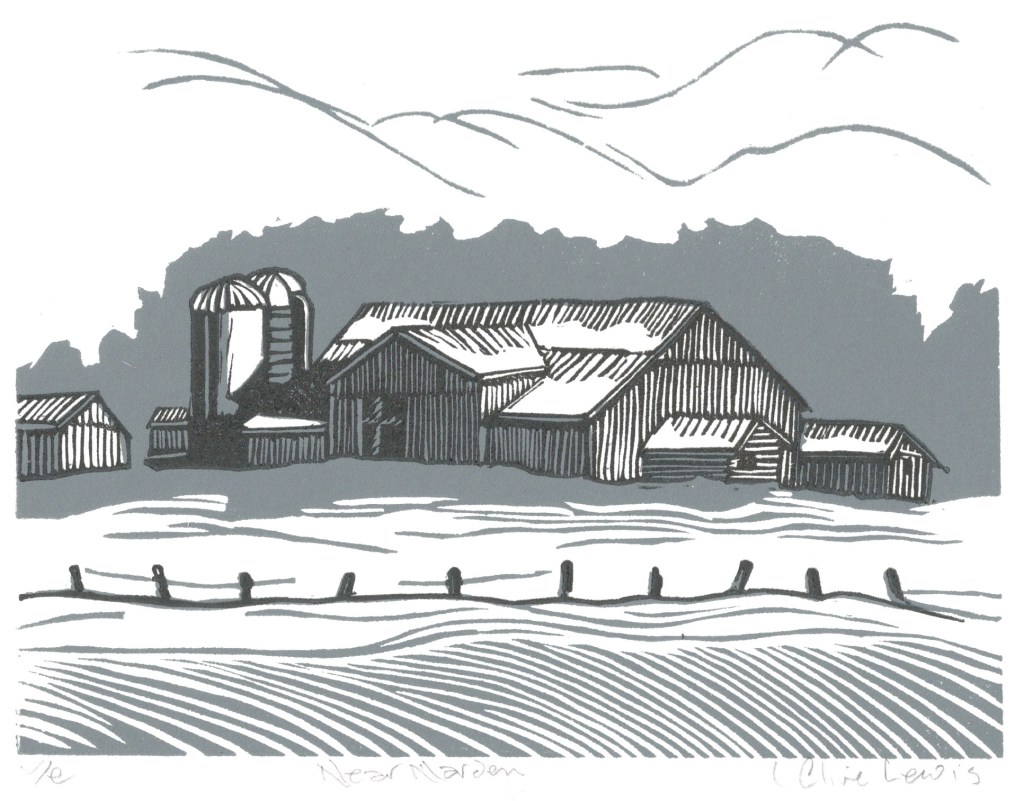
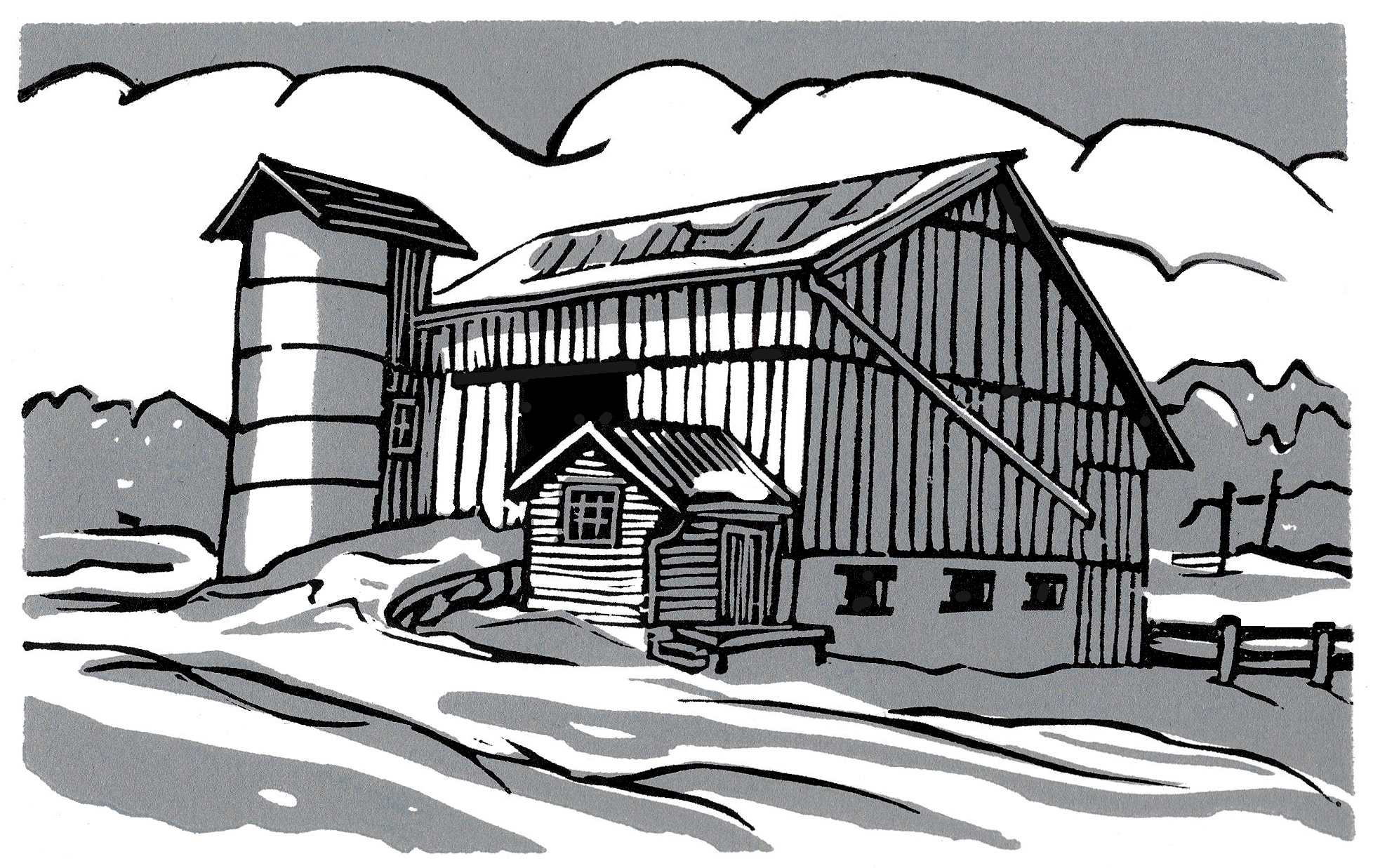
A woman came to me at a show, pointed at this engraving and asked why some barns were painted red. I was a bit embarrassed to admit I didn’t know. The search engine DuckDuckGo was most helpful.
Seems that hundreds of years ago (long, long before Home Depot) many farmers would seal the wood on their barns with linseed oil, an orange-coloured oil derived from the seeds of the flax plant. To this oil, they would add a variety of things, most often milk and lime, but also ferrous oxide, or rust. Rust was plentiful on farms and because it killed fungi and mosses that might grow on barns, it was very effective as a sealant. It turned the mixture red in colour and, Voila! a Red Barn.



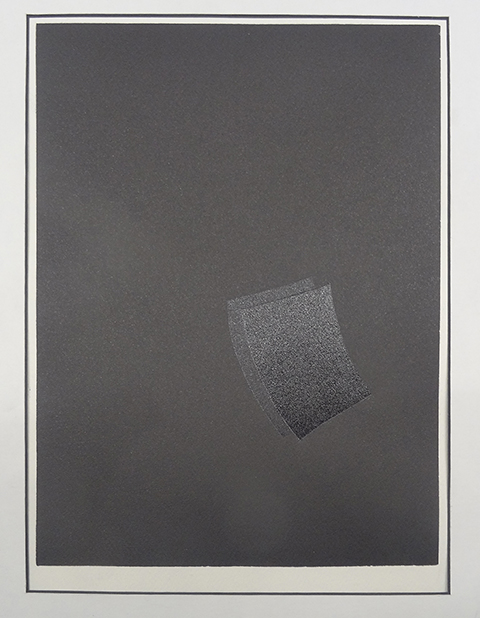 I love the incredible solids that engraving allows and I have a ‘thing’ about prints showing falling objects. With this print I indulged myself on both accounts. I named it ‘Night Fall.’
 Stretching up the east side of Georgian Bay is an archipelago called the ‘30,000 Islands’. I haven’t counted them but viewed from an airplane it seems there could be that many.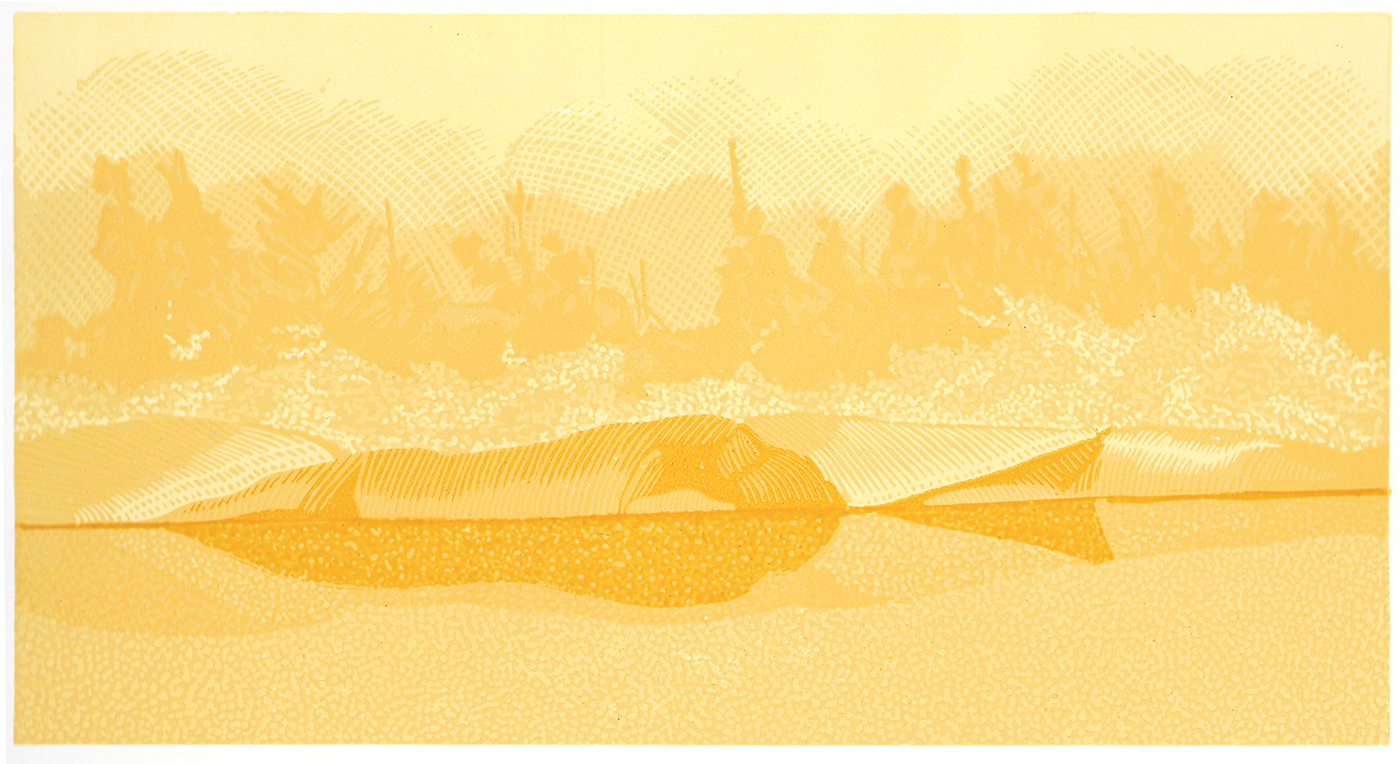
 It’s always a thrill to be accepted into INSIGHTS, a great juried exhibition of multidisciplinary works from many of the region’s best artists.


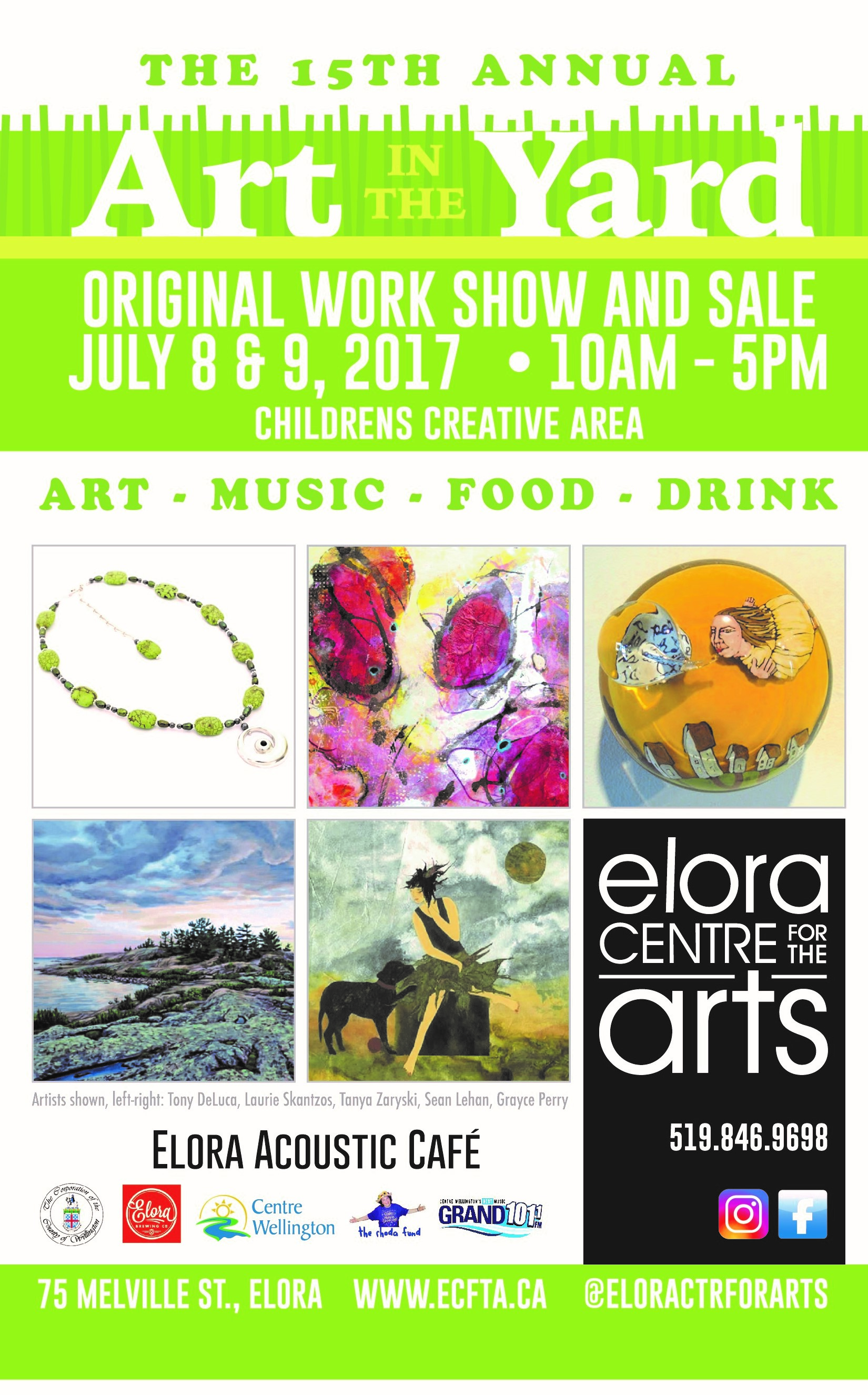 A lot of great Art and Artists in Elora next weekend, July 8 & 9. Cool downtown complete with The Elora Brew Pub to visit after the show if, perchance, you feel like imbibing a local brew or buying one for a (somewhat) local printmaker.
 Most printmakers show progressive prints as a sort of educational/interest thing, I’m doing it just to get a bad pun out of my head and into the subject line.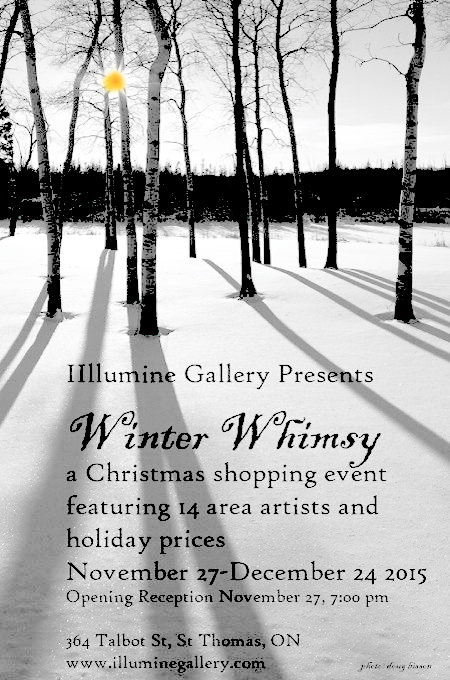
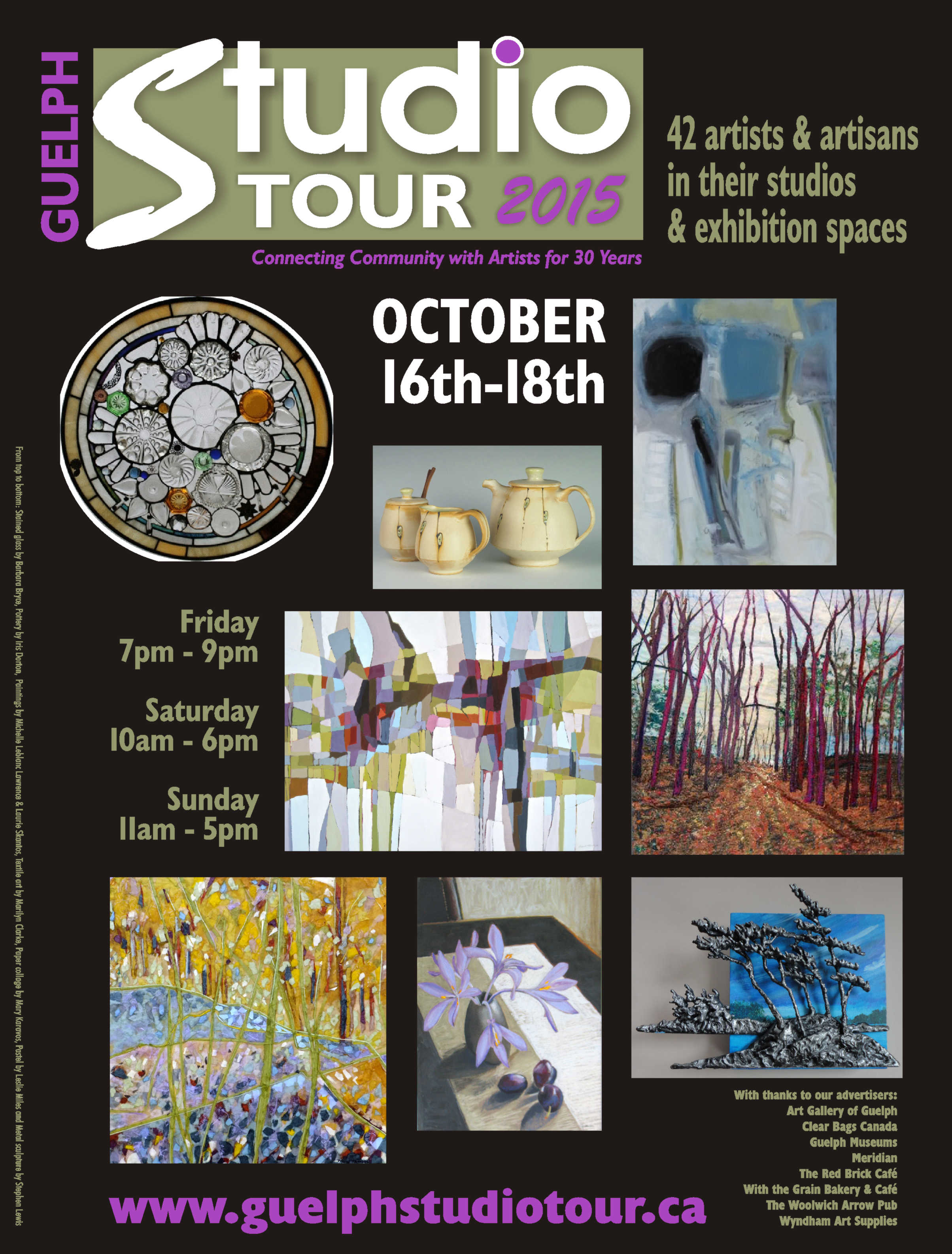
 clive lewis, printmaker